Where Agent Permissions Become Enforceable
A response to Katelyn Lesse's article on secure agents, and why outbound mediation is only useful when it enforces a broader authorization and information-flow model.
Design Technologist,
AI Infrastructure,
Prototyping.
A response to Katelyn Lesse's article on secure agents, and why outbound mediation is only useful when it enforces a broader authorization and information-flow model.
A response to Yoshua Bengio's post on agents lying, cheating, and coordinating: the failure is not that agents have human motives, but that we are giving proxy optimizers tools, time, and weak accountability.
A hiring-market note on why AI makes visible judgment, problem framing, and situated workflow artifacts more valuable than generic tool fluency.
A response to Eno Reyes' question about agent boundaries, and why I think the durable unit is the work container rather than the agent team.
What Amp's paved-road thesis and Truss Labs' prepared-work-item thesis reveal about Soul CLI, and why the next useful layer is a real case packet for agent work.
A note on wiring Hermes, wallabag, and Soul together without turning every reading workflow into another chat transcript or another vault.
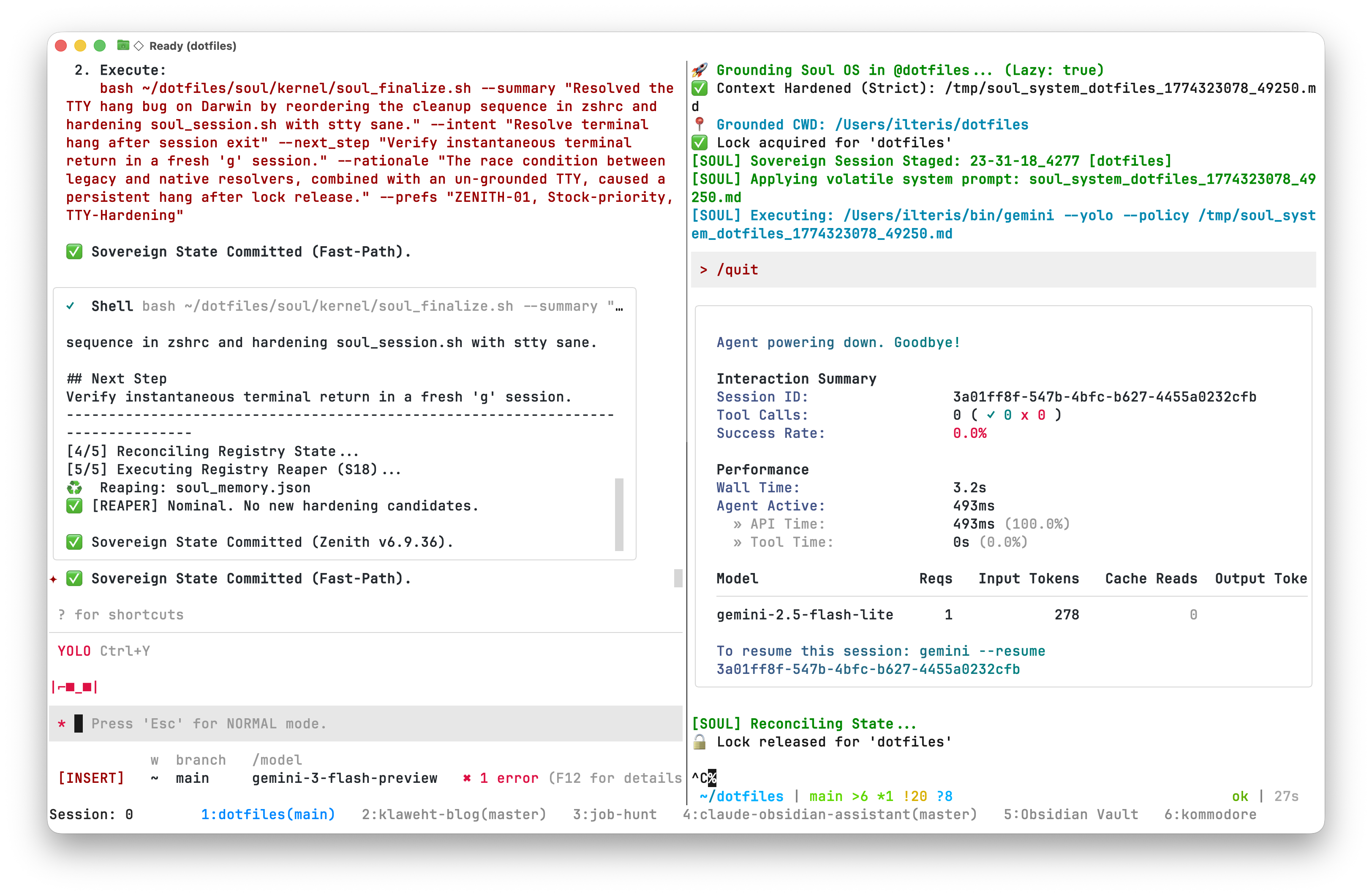
Why I added tasks, runs, worktrees, reviews, and plan-bound execution to Soul CLI, and how they turn AI-assisted development into an auditable local system.
Why Soul keeps registry coordination separate from git, and why remote continuity should mean projection plus promotion rather than distributed writes.
How I built a repeatable link-to-podcast pipeline that extracts a source, writes a spoken two-host script, generates audio, saves notes, and publishes an RSS episode to podcast apps.
How I built an automated, self-healing pipeline that generates a command-line reference directly from the active parser schema without manual translation.
How I structured my local agent environment using isolated execution surfaces, dedicated background runtimes, and a unified file-based session registry.
How I consolidated dozens of loose shell and Python scripts into a single, cohesive command-line tool to manage my agentic workspace.
The amount of work required to implement agents in enterprises will exceed anything we imagine today. Here is why moving from chat to agency is a massive engineering and organizational lift.
The rise of CLI/TUIs isn't about nostalgia. It's about building software that agents can inspect, tweak, and extend—something cloud-locked SaaS simply can't offer.
Code is a layered history of decisions. Understanding those layers is the difference between fixing symptoms and fixing systems.
How separating AI session state from your code repository into a dedicated registry follows the Unix philosophy and makes everything easier to debug.
The shift from generating one-off code snippets to building persistent, registry-backed systems that maintain state across sessions.
A technical deep-dive into the Gemini CLI's hook system — how it works, what you can intercept, and how I use it to build guardrails for autonomous agents.
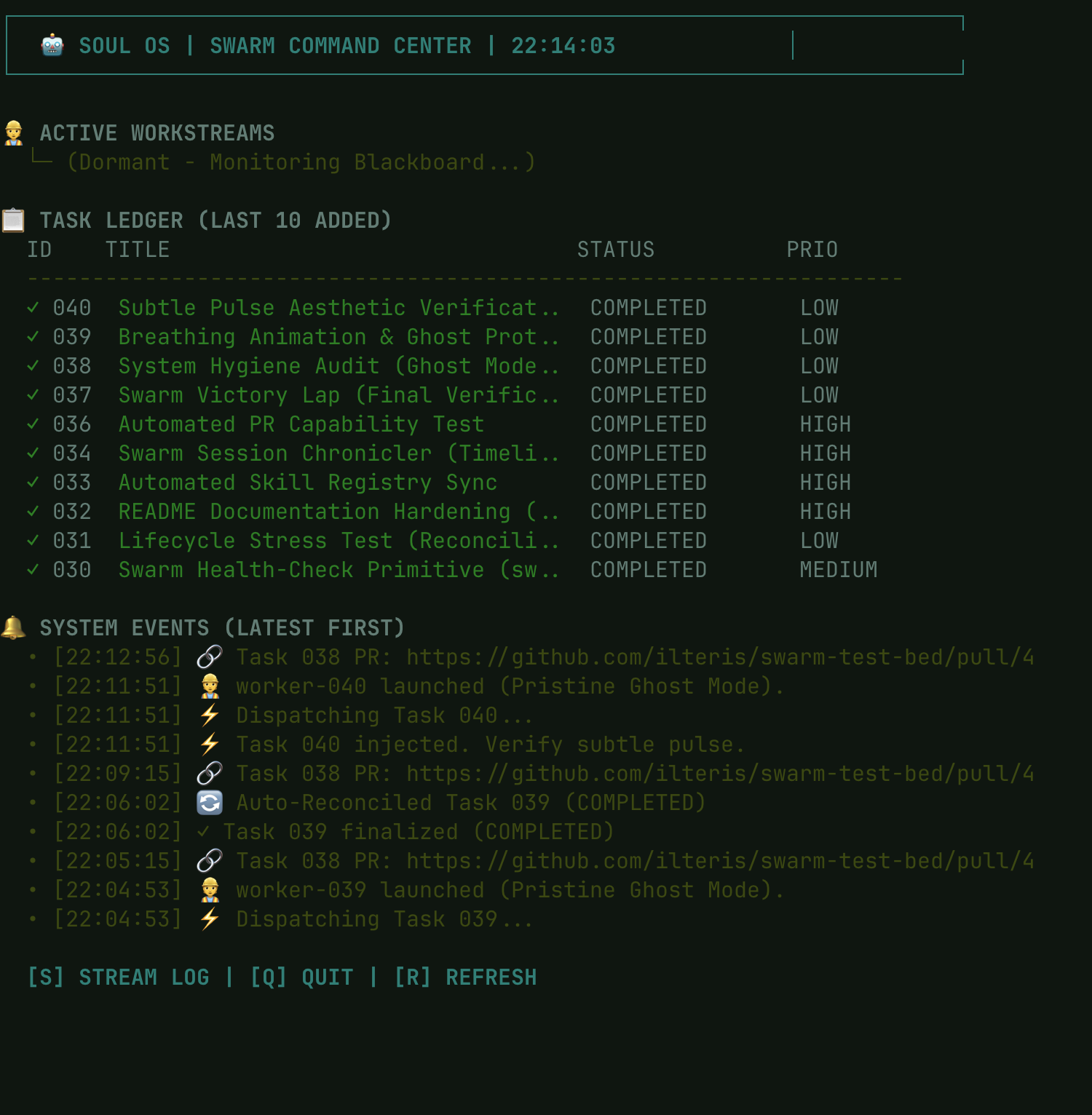
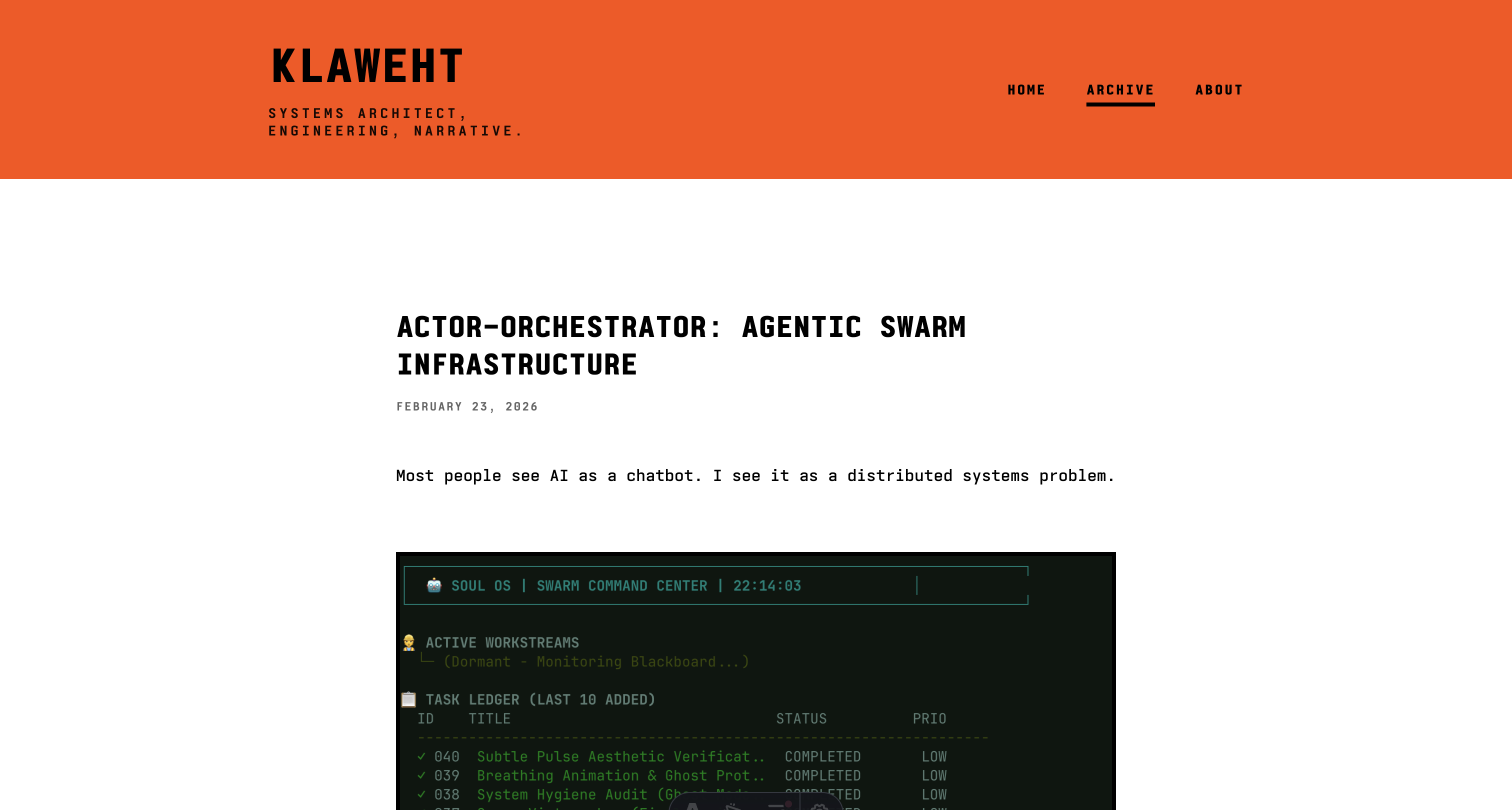
A hierarchical system for managing concurrent AI agent workstreams using the Actor Model pattern — isolated, specialized, and observable.
The architectural pivot where Soul OS stopped generating ephemeral artifacts and started managing persistent state on disk.