The Work Should Define the Agent
A response to Eno Reyes' question about agent boundaries, and why I think the durable unit is the work container rather than the agent team.
Design Technologist,
AI Infrastructure,
Prototyping.
A response to Eno Reyes' question about agent boundaries, and why I think the durable unit is the work container rather than the agent team.
What Amp's paved-road thesis and Truss Labs' prepared-work-item thesis reveal about Soul CLI, and why the next useful layer is a real case packet for agent work.
A note on wiring Hermes, wallabag, and Soul together without turning every reading workflow into another chat transcript or another vault.
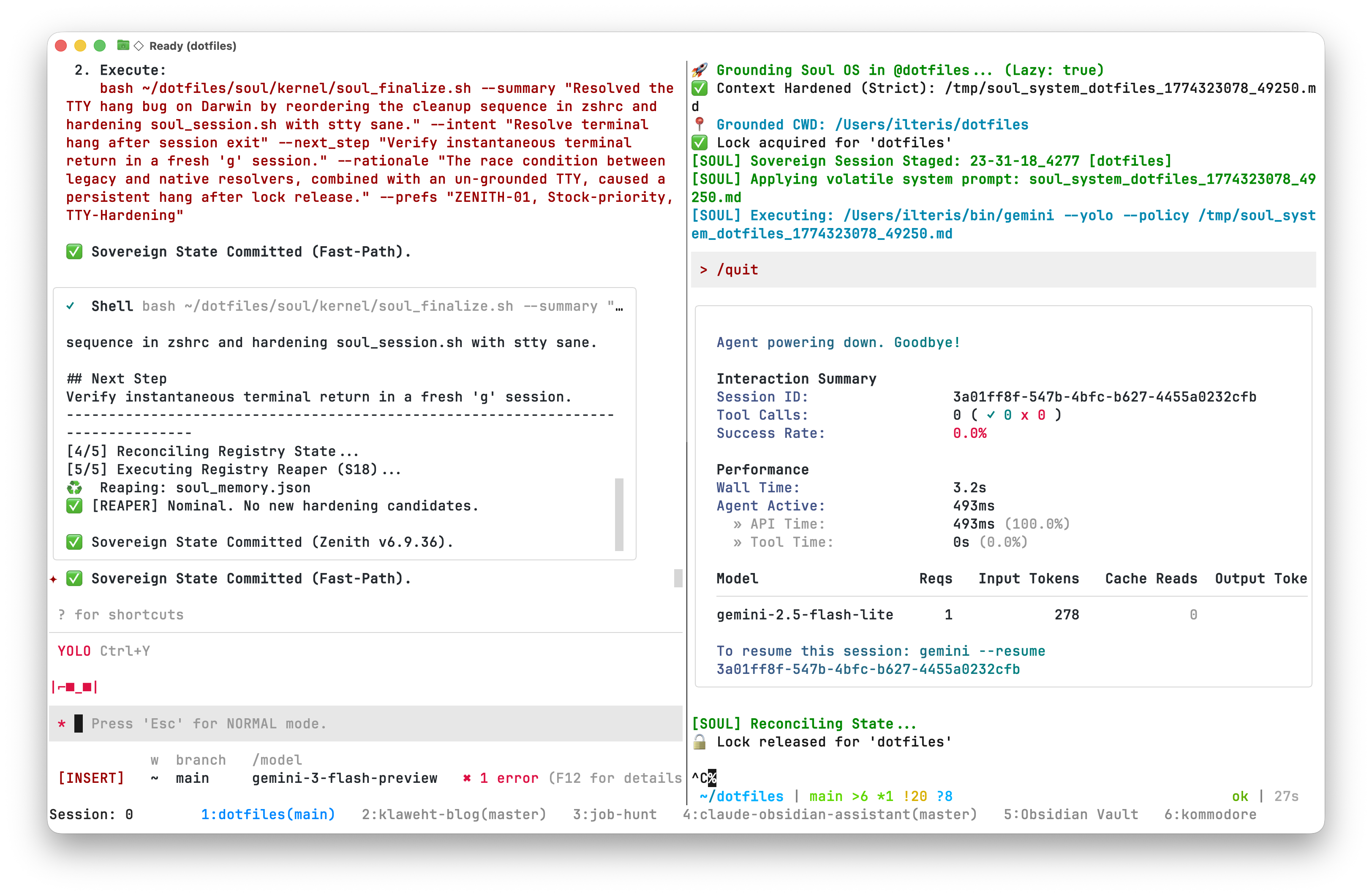
Why I added tasks, runs, worktrees, reviews, and plan-bound execution to Soul CLI, and how they turn AI-assisted development into an auditable local system.
Why Soul keeps registry coordination separate from git, and why remote continuity should mean projection plus promotion rather than distributed writes.
How to separate 'what I learned about the code' from 'what I learned about working with this person' so the AI gets better across projects.
Why I stopped putting AI config files in every repo and moved project orchestration into a centralized registry instead.
Why I stopped treating AI system prompts as per-project config files and started treating them as portable operating systems.
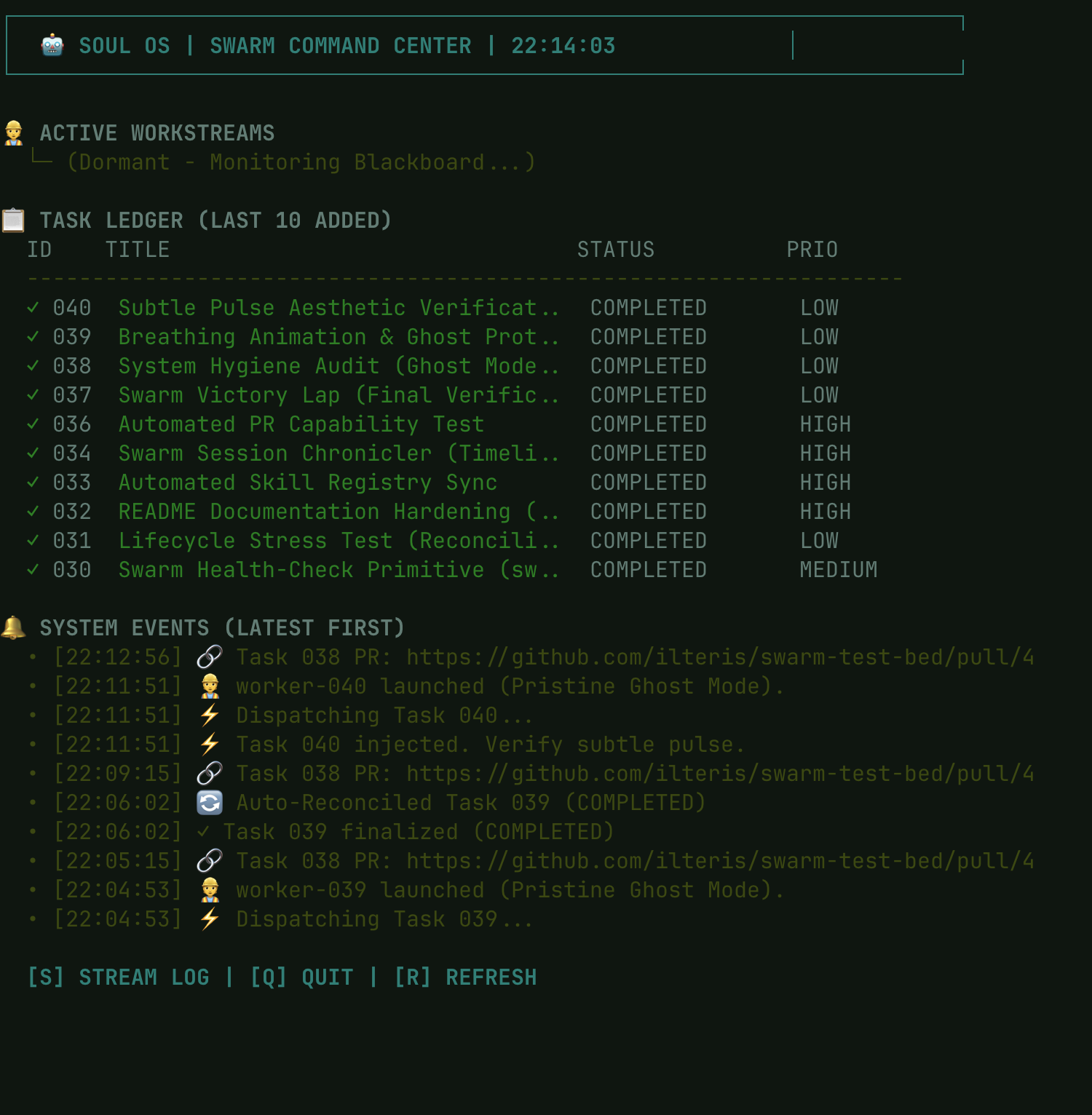
How separating AI session state from your code repository into a dedicated registry follows the Unix philosophy and makes everything easier to debug.
The shift from generating one-off code snippets to building persistent, registry-backed systems that maintain state across sessions.
Why giving an AI agent one tool that does ten things leads to drift. Atomic, single-purpose tools are more reliable.
Running the Soul OS architecture through a 7-step agent lifecycle audit. Where it's strong, and where the gaps are.
How using multiple models to cross-check documentation prevents AI-generated hallucinations from becoming permanent.

What Vincent Sitzmann's 'Bitter Lesson of CV' means for how we should build AI agent systems — less hand-crafted modules, more end-to-end learning from traces.
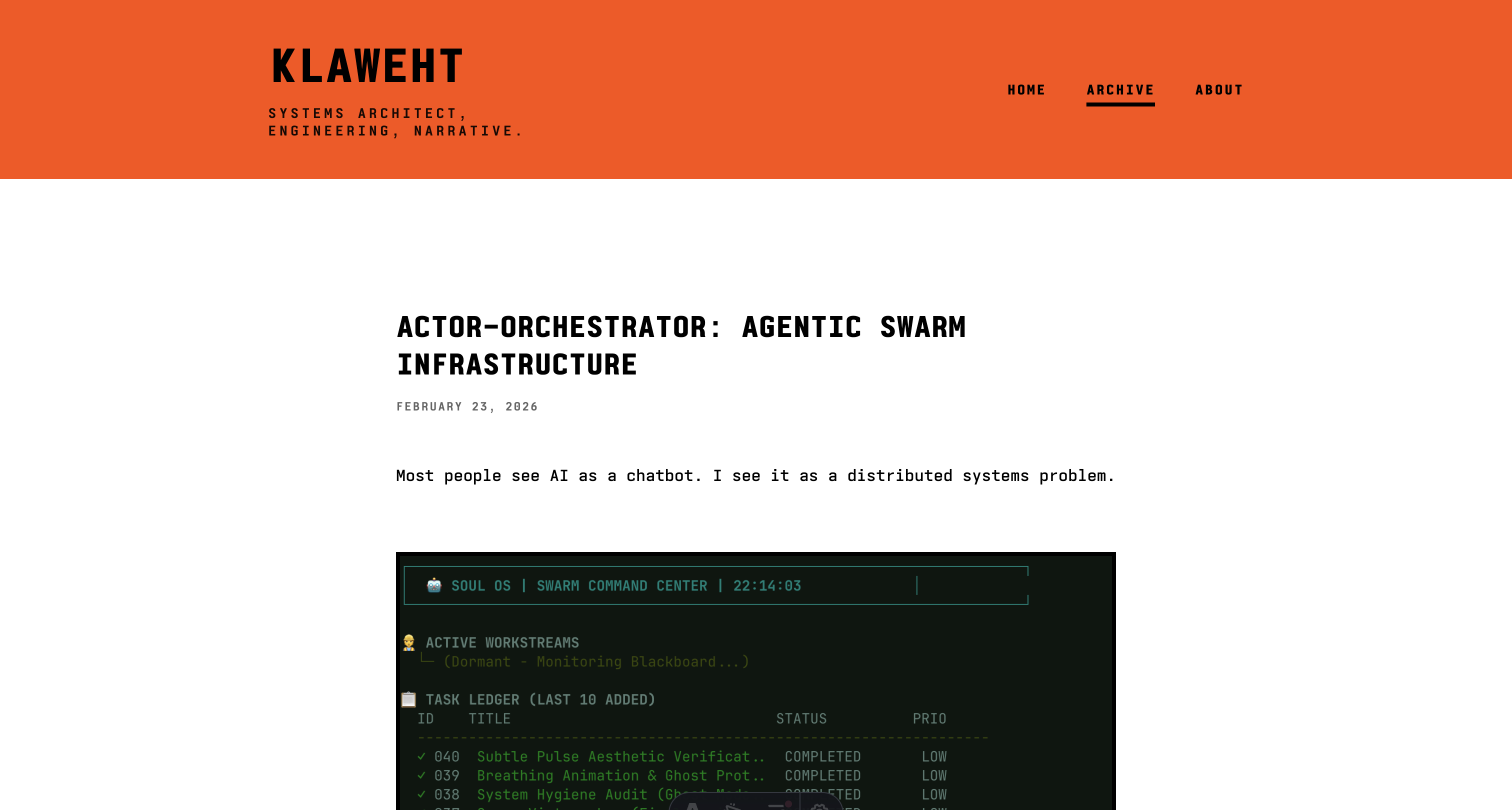
The architectural pivot where Soul OS stopped generating ephemeral artifacts and started managing persistent state on disk.
Notes from my Columbia University presentation on the three generations of AI in software engineering.
Why sequential AI pipelines fail and how the Knowledge Supervisor pattern solves pipeline drift.